
Top 10 | Most read articles first quarter
Taxes, export of services, social media, innovation capacity and entrepreneurship industry are some of the popular topics. Top lists of which universities produced the most theses are also included. Here are the 10 most read articles. LIST | Women dominate and four universities in the top – this is what the thesis year 2025 looked […]
42 million for research on entrepreneurship for a vibrant countryside

On Ingvar Kamprad’s 100th birthday, the Kamprad Family Foundation announced the entrepreneurship projects to be supported this year. A total of SEK 42 million will be awarded to seven research projects and two implementation projects that will help research results to be put into practice.
Networks are key to successful innovation

What types of networks help SMEs become more innovative – and when? A new research study shows that social capital is a crucial resource for driving innovation. But the effects vary depending on how demanding customers are.
AI startups – new model helps investors and customers

Venture capital is flowing to AI companies and customer interest is high. But behind the boom are major differences in how the companies create value. Now, two professors present a typology of six different AI startups.
How business angels influence each other’s investment decisions – the pitfalls to watch out for

Business angels often look at each other when making investment decisions. But it takes experience to distinguish between valuable and misleading signals.
Why local users are startups best route to global markets

Scaling up a tech start-up often requires the company to reach outside its home country quickly. But how should a young company, with limited resources and few users, actually start?
Entrepreneurs who give back strengthen their ecosystems

Entrepreneurs not only contribute to economic growth by starting new businesses. They also play a crucial role in shaping and strengthening the entrepreneurial ecosystems in which they themselves operate.
Diversity on startup boards can hurt chances of raising capital

Diversity on boards is often said to lead to better decisions, more creativity and stronger companies. But a new comprehensive study of more than 25 000 US start-ups shows that this picture is not always true – at least not in companies initially funded by venture capital.
Rapid business growth and crises increase the risk of serious illness

Entrepreneurs often enjoy better health and live longer than other people from similar socio-economic backgrounds. But researchers warn that the pressures of entrepreneurship can have a dark side.
LISTA | Lund University pulls away – most theses in innovation and entrepreneurship
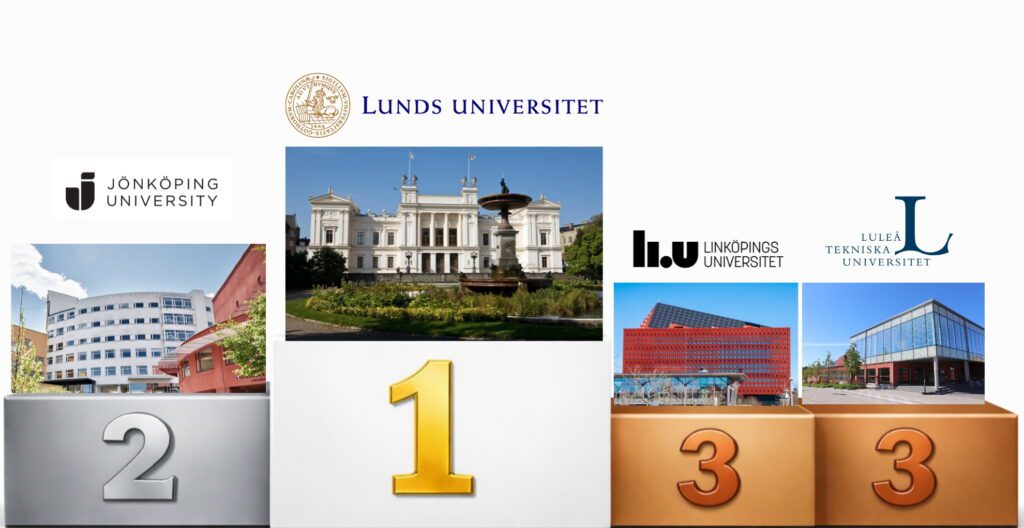
Between 2020 and 2025, 234 people received a doctorate in innovation and entrepreneurship research in Sweden. Most theses were presented at Lund University, which strengthens its position compared to the years 2020-2023.